
As artificial intelligence, cloud computing, and big data continue to grow exponentially, the demand for efficient interconnection in data centers has never been higher. AI Data Center DCI Box emerges as a transformative solution. Moreover, it is designed to handle large-scale data transmission while optimizing network structure, reducing latency, and enhancing intelligence. By integrating cutting-edge technology, this device not only revolutionizes traditional data transmission methods but also provides unprecedented speed, reliability, and adaptability for modern networks.

Technical Overview of AI Data Center DCI Box
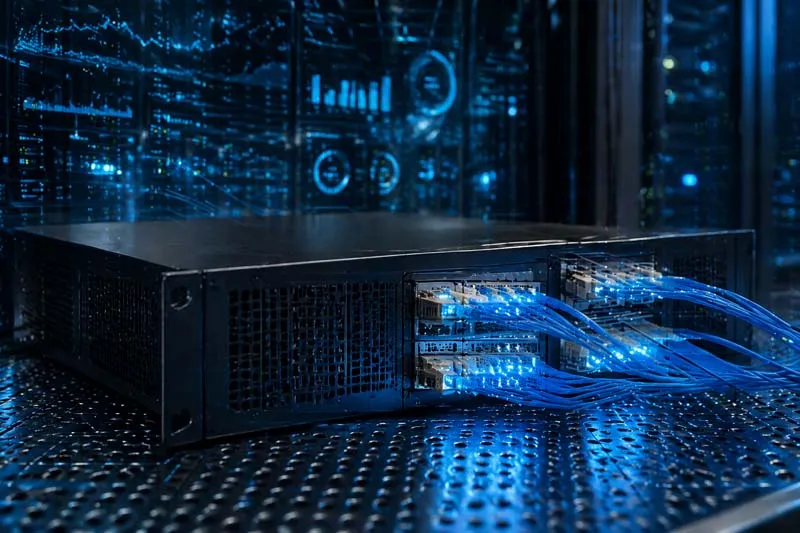
The AI Data Center DCI Box combines high-density fiber interfaces with advanced AI-driven traffic management algorithms. Consequently, it supports ultra-high bandwidth, including 400G and 800G, ensuring smooth transmission of multiple concurrent workloads. In addition, AI algorithms predict traffic patterns and dynamically optimize data routes, reducing congestion and maximizing network utilization.
Its compact, modular design saves valuable rack space and allows seamless scalability. Furthermore, energy-efficient architecture reduces operational costs while maintaining high reliability. Real-time monitoring systems embedded within the box enable proactive network management and early detection of potential issues. Therefore, these innovations position it as a core infrastructure component for modern data centers.
Transforming Traditional Data Transmission
Traditional DCI solutions often rely on static routing and fixed bandwidth allocation, leading to high latency, packet loss, and inefficiencies. In contrast, It offers transformative advantages:
- Enhanced Efficiency: Optimized data paths and predictive traffic algorithms improve bandwidth utilization and lower latency.
- Intelligent Traffic Management: AI-driven systems dynamically adjust resources to meet fluctuating demands, thereby improving network performance.
- Energy Optimization: The combination of high efficiency and compact design reduces power consumption per unit of bandwidth.
- Reliability and Security: Continuous monitoring and built-in protection mechanisms ensure stable and secure data transmission.
As a result, It is not just a hardware component but also a strategic asset for intelligent network management.
Key Applications and Use Cases
It is highly versatile, serving multiple scenarios. For instance:
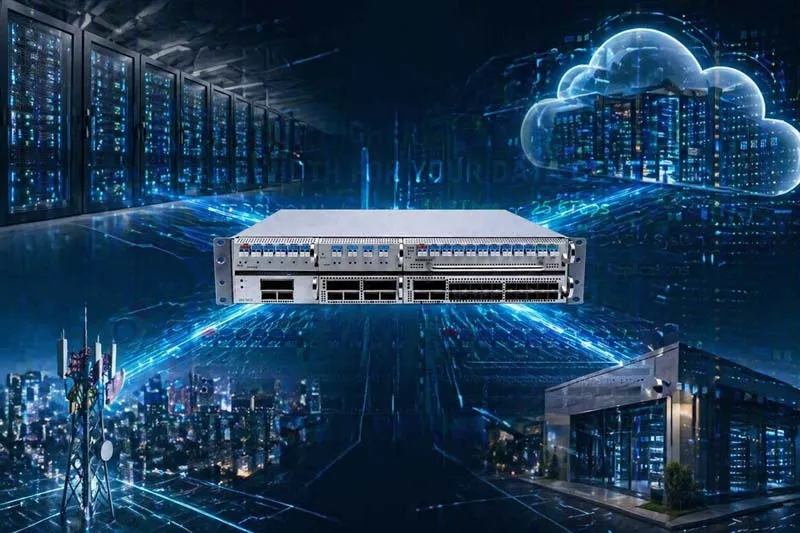
- Enterprise Data Centers: Supports multi-site synchronization, disaster recovery, and cross-region data replication.
- Cloud and AI Platforms: Handles massive model training workloads with low-latency, high-speed data flows.
- 5G/6G Network Access and Edge Computing: Enables low-latency exchanges between edge nodes and central data centers.
- Large-Scale Internet Service Providers: Ensures stable transmission of high-volume video, gaming, and IoT traffic.
Therefore, these applications demonstrate the AI Data Center DCI Box’s capacity to enhance performance while lowering costs and operational complexity.
Performance Metrics and Data Insights
Compared to traditional DCI setups, the AI Data Center DCI Box delivers superior performance. For example:
- Transmission Speed: Bandwidth utilization improves by over 30% under high-concurrency workloads.
- Latency and Packet Loss: Latency drops by approximately 25%, and packet loss is minimized.
- Energy Efficiency: Power consumption per unit bandwidth decreases by 20–35%, thus reducing operational expenses.
Meanwhile, market trends indicate continuous growth in global DCI deployments, with AI-powered solutions increasingly shaping network strategies. Consequently, the AI Data Center DCI Box ensures optimal resource allocation while preparing enterprises for future data expansion.
Future Development and Trends
The future of the AI Data Center DCI Box is intertwined with emerging technologies. Additionally, AI algorithms will enable automatic traffic rerouting and resource optimization. The device’s modular design allows expansion to support higher bandwidth and new business services. Moreover, integration with quantum communication, optical chip advancements, and edge computing will further enhance data transmission capabilities.
Therefore, these trends confirm the AI Data Center DCI Box as a pivotal component in building intelligent, high-performance networks.
Conclusion
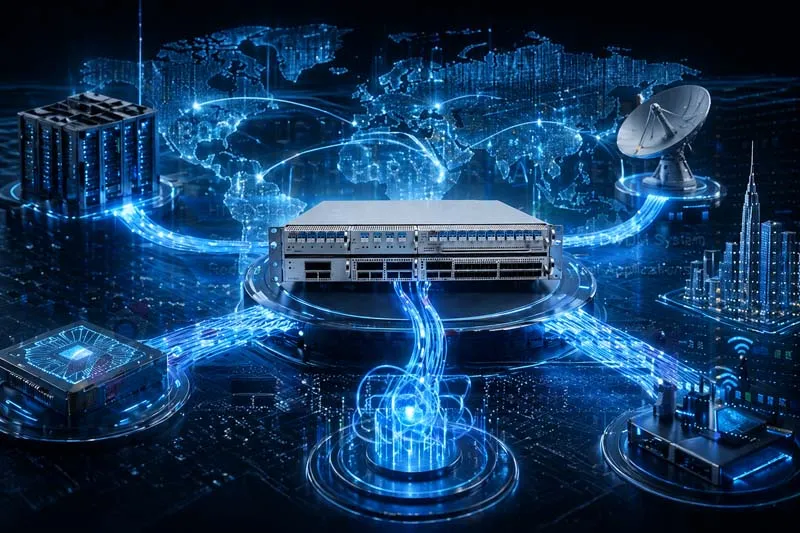
The AI Data Center DCI Box delivers unmatched efficiency, intelligence, reliability, and energy savings. Consequently, it redefines modern data center interconnect standards and empowers enterprises to construct smart networks capable of handling ever-growing data demands.
HTF, a specialist in fiber-optic products and WDM system solutions, brings over a decade of experience in optical communications, device development, and manufacturing. Its HT6000 compact, high-capacity, and cost-effective OTN system supports CWDM/DWDM multi-service transparent transmission and flexible networking. In addition, HTF provides comprehensive solutions for global data centers, 5G networks, cloud computing, and access networks, enabling the construction of scalable, high-performance optical infrastructures.