
Colored-light DWDM is moving from an optional upgrade to a core transport strategy for 5G-A and future 6G networks. As wireless access becomes denser, faster, and more coordinated, the transport layer faces a new test. It must carry more services, save more fiber, and support smoother expansion. Therefore, operators now need a solution that improves efficiency without creating new bottlenecks.
For years, grey optics served early mobile transport well. They offered direct deployment, simple planning, and clear cost control. However, network architecture has changed. 5G-A pushes fronthaul and midhaul toward higher bandwidth, higher site density, and stronger cloud coordination. As a result, the old one-link, one-resource model no longer fits large-scale deployment.
That is why Colored-light DWDM has entered the spotlight. It does not simply replace one module with another. Instead, it changes how operators use fiber, design capacity, and plan long-term growth. In today’s market, that shift matters more than ever.
Why Grey Optics Are Losing Their Edge
Grey optics once matched the needs of early mobile network buildout. In many simple scenarios, they still work. Yet large-scale 5G-A deployment has raised the threshold for transport performance.
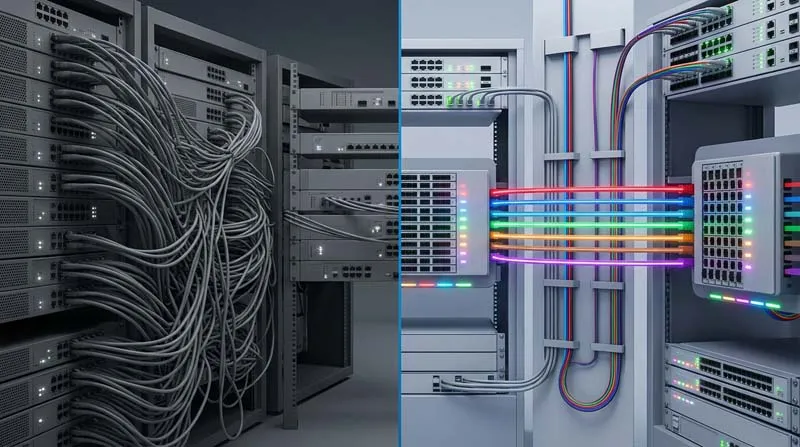
First, fronthaul and midhaul links now demand more bandwidth. Second, site density continues to rise in urban areas, industrial parks, and traffic hotspots. Third, operators must control both capex and opex across wider networks. Under these conditions, grey optics often consume fiber resources too quickly.
Moreover, expansion becomes harder when each new service requires more fiber or more point-to-point links. That model may look manageable at first. However, it becomes expensive and rigid at scale. As network layers grow more connected, operators need a transport method that supports both current traffic and future evolution.
What Makes Colored-light DWDM Different
Colored-light DWDM uses wavelength-based transmission to carry multiple services over fewer fiber resources. That is the core advantage. Instead of adding more physical fiber for each growing service path, operators can use wavelength multiplexing to improve transport density.
In practical terms, this creates a better efficiency model. A network can carry more traffic without expanding fiber usage at the same pace. Consequently, operators gain better scalability, better site flexibility, and better long-term planning space.
More importantly, Colored-light DWDM fits the direction of modern transport architecture. 5G-A and 6G will not rely on simple linear expansion. They will rely on denser collaboration between radio, access, aggregation, and cloud resources. Therefore, transport must evolve from basic connectivity to structured capacity management.
Why 5G-A Makes the Change More Urgent
5G-A raises transport requirements on several fronts. It increases traffic demand, but it also changes network coordination. DU and CU functions continue to move toward stronger centralization and better resource orchestration. As this trend deepens, fronthaul and midhaul links must support more capacity with more flexibility.
Here, Colored-light DWDM offers a clear advantage. It helps reduce pressure on fiber resources while supporting scalable transmission paths. In addition, it improves the ability to plan for later upgrades without rebuilding the whole optical layer.
This matters in high-density rollout zones. In many real deployment environments, fiber is not unlimited. It is expensive, time-consuming, or hard to expand. Therefore, operators must improve the value of existing fiber infrastructure. Colored-light DWDM answers that need directly.
From 25G to 100G: A Clear Upgrade Path
One reason Colored-light DWDM stands out is its compatibility with step-by-step evolution. It supports current demand while preparing for future growth. That balance is critical in mobile transport.

At present, 25G remains a practical foundation for many fronthaul scenarios. It offers a mature and cost-effective path for large deployments. Meanwhile, 50G aligns well with stronger 5G-A requirements. It supports higher service density and a more capable transport layer. Then, 100G points to future-facing high-capacity scenarios, especially in aggregation-heavy areas and advanced network nodes.
Therefore, Colored-light DWDM does not represent a one-time upgrade. It represents a structured roadmap. Operators can deploy based on real demand today while keeping room for tomorrow. That is a major reason why this approach now attracts wider attention across the industry.
Fronthaul and Midhaul Are Both Entering a New Phase
Fronthaul is often the first place where transport pressure becomes visible. It connects radio units to centralized processing resources, and it must do so at scale. When site counts rise fast, fiber consumption can also rise fast. That is why operators increasingly prefer solutions that save fiber and simplify future growth.
In this context, Colored-light DWDM supports a more sustainable fronthaul model. It helps operators improve fiber utilization, manage multiple services, and reduce the burden of repeated physical expansion. As a result, large-scale rollout becomes easier to control.
Midhaul also matters. It sits between distributed and centralized network functions, so it must support larger flows and stronger service coordination. Therefore, efficiency at this layer affects the whole transport architecture. Colored-light DWDM helps midhaul move from simple carrying capacity to smarter and more expandable carrying capacity.
The Real Industry Shift Is About Efficiency
The replacement of grey optics is not only a technology swap. It is a shift in transport logic. In the past, operators often expanded through more links, more fiber, and more physical resources. Now, they must pursue higher efficiency per fiber, per wavelength, and per site.
That is where Colored-light DWDM changes the equation. It supports a more refined model of network growth. Instead of building transport in a rough and linear way, operators can move toward a more structured and efficient architecture. Consequently, the benefits reach far beyond optical modules alone.
This shift will likely shape the next phase of network competition. Operators that build scalable transport foundations earlier can improve rollout speed, cost control, and service readiness. In a market that rewards long-term planning, that advantage is significant.
Why This Matters for Future 6G Planning
Although 6G is still developing, one direction already looks clear. Future networks will demand more integration, more intelligence, and more transport elasticity. They will not tolerate a transport layer that scales poorly.
For that reason, Colored-light DWDM already carries strategic value beyond 5G-A. It gives operators a stronger base for future architecture. It also reduces the risk of short-term deployment choices that limit long-term evolution.
In other words, this is not only about solving today’s fiber challenge. It is about building a transport framework that remains useful as network requirements continue to rise. That makes the current transition especially important.
A Natural Fit for Professional WDM Solution Providers
As the market moves in this direction, industry customers need more than standalone components. They need partners that understand fiber infrastructure, WDM system design, capacity expansion, and service-level delivery.
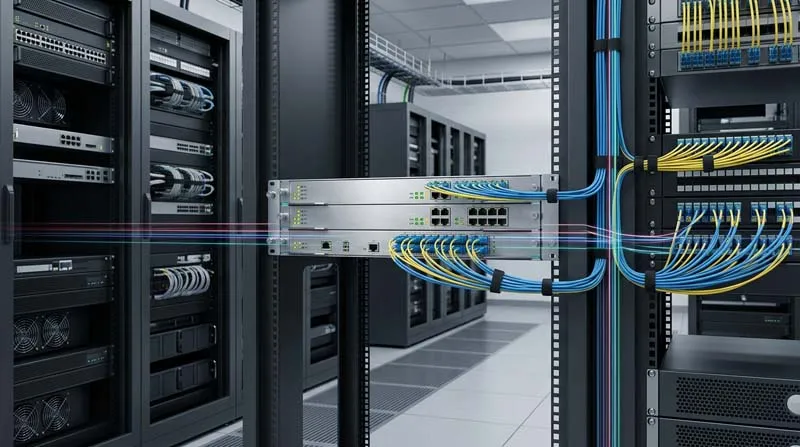
HTF is one example of that kind of provider. It focuses on fiber products and WDM system solutions, backed by a team with more than ten years of experience in optical communication products, fiber solutions, component development, and manufacturing. HTF also supports transmission solution design, product supply, and service support for global data centers, 5G networks, cloud computing, metro networks, and access networks.
Its HT6000 platform reflects this system-level approach. The product uses a compact, high-capacity, cost-effective OTN transport design on a CWDM/DWDM universal platform. It supports transparent multi-service transmission, flexible networking, and scalable access. As a result, it offers a practical option for backbone, metro backbone, core transport, IDC, and ISP expansion scenarios.
Conclusion
Colored-light DWDM is no longer a niche choice in mobile transport. It is becoming a decisive direction for fronthaul and midhaul upgrades in the 5G-A era. As networks demand more capacity, more flexibility, and better fiber efficiency, grey optics face growing limitations.
By contrast, Colored-light DWDM offers a smarter path forward. It improves fiber utilization, supports scalable growth, and aligns with the long-term evolution of mobile transport architecture. Therefore, for operators, integrators, and infrastructure planners, now is the right time to reassess the value of Colored-light DWDM in a more strategic way.