
The high density dci box is becoming a vital part of modern data center infrastructure. As cloud computing, AI, 5G, video services, and edge computing grow, data must move faster between facilities. Enterprises no longer rely on one isolated data center. Instead, they build distributed networks that connect cloud regions, edge sites, and core computing clusters.
As a result, data center interconnect has become a strategic priority. It now affects bandwidth, latency, resilience, energy use, and long-term operating cost. A high density dci box helps organizations build this foundation with greater speed, scale, and efficiency.
Why Data Center Interconnect Matters Now
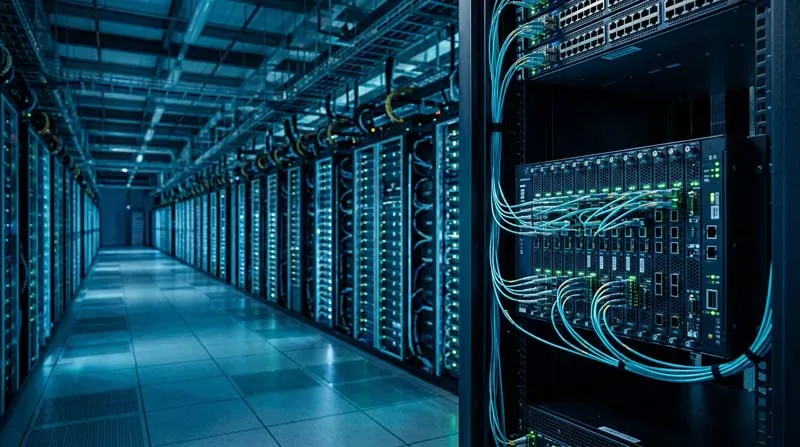
Digital business depends on data movement. AI training needs massive datasets. Cloud platforms need fast resource scheduling. Financial systems need real-time replication. Meanwhile, telecom networks and content platforms need stable backbone capacity.
Therefore, data center interconnect is no longer a simple connection layer. It has become a performance engine for digital infrastructure. If data cannot move efficiently, computing resources cannot deliver full value.
A high density dci box solves this challenge by improving capacity in limited rack space. It also helps operators simplify deployment and reduce the cost per transmitted bit.
What Is a high density dci box?
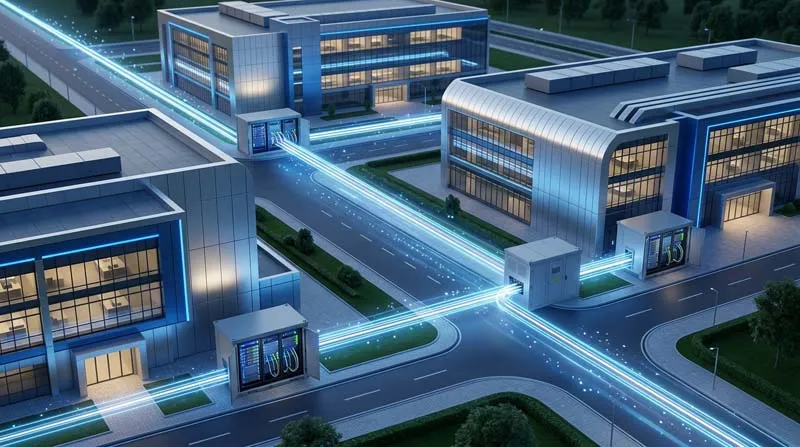
A high density dci box is a compact transmission device for Data Center Interconnect, or DCI. It connects two or more data centers and supports high-speed traffic between them. These links may carry cloud services, storage replication, backup data, AI workloads, and enterprise applications.
In practical terms, “high density” means higher port capacity in a smaller form factor. It may support 100G, 200G, 400G, or higher-speed services. In addition, it can help operators improve rack utilization and reduce cabling complexity.
Unlike large traditional transport platforms, a high density dci box often provides faster deployment. This makes it suitable for cloud providers, IDC operators, ISPs, and enterprise networks.
Key Drivers Behind Its Growth
Several forces are pushing DCI networks toward higher density. First, AI workloads are increasing east-west traffic between computing clusters. Training and inference systems require fast access to storage and data pools.
Second, cloud platforms need flexible resource allocation across regions. Therefore, they need low-latency links between data centers. Third, enterprise disaster recovery has become more demanding. Many industries now require active-active or multi-site backup architectures.
Moreover, rack space and power have become scarce resources. A high density dci box helps address this pressure by delivering more capacity from fewer devices.
Core Technical Advantages
The first advantage is bandwidth expansion. A modern high density dci box can aggregate many high-speed services in one compact platform. This helps operators scale capacity without rebuilding the entire network.
The second advantage is low latency. Real-time applications depend on short and stable transmission paths. For example, financial trading, cloud desktops, and database synchronization need predictable performance.
The third advantage is energy efficiency. Data centers face rising power costs and stricter sustainability targets. Therefore, lower power per bit has become an important design goal.
Finally, modern DCI systems support smarter operations. Network teams can monitor performance, track faults, and manage links with greater visibility.
Better Space and Cost Efficiency
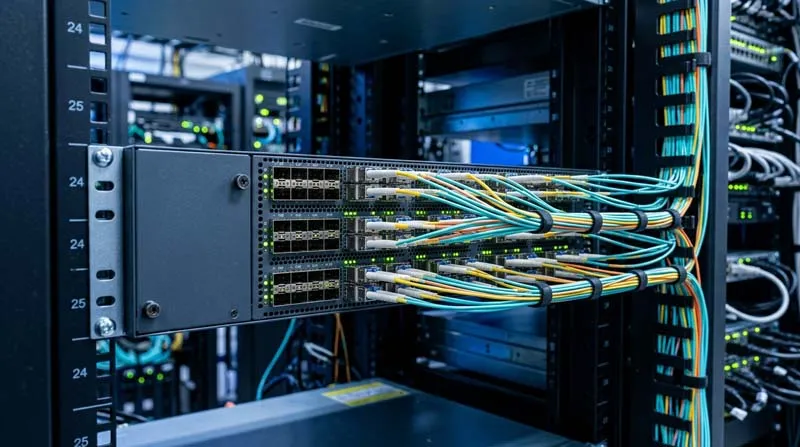
Space efficiency is one of the strongest reasons to deploy a high density dci box. Data center racks are expensive. Power, cooling, and fiber resources also add pressure to each expansion plan.
However, high-density architecture allows more services to run from less physical infrastructure. This can reduce device count, simplify cabling, and improve maintenance efficiency.
In addition, operators can expand capacity step by step. They do not need to overbuild on day one. Instead, they can match investment with actual traffic growth.
Typical Application Scenarios
Cloud data centers are one major application. A high density dci box can connect multiple cloud sites and support resource migration, backup, and service continuity. As a result, cloud platforms can improve user experience and regional resilience.
AI computing centers are another important scenario. Large AI clusters need high-speed links between storage, training nodes, and service platforms. Therefore, DCI capacity directly affects computing efficiency.
Financial institutions also benefit from this architecture. Banks, exchanges, and payment platforms often require low-latency links for active-active systems. In these environments, reliability and fast recovery matter greatly.
IDC and ISP operators can also use DCI systems to build scalable WDM transmission networks. This helps them meet growing customer demand for cloud access, private lines, and data exchange.
What to Consider Before Deployment
Before choosing a high density dci box, organizations should evaluate total system capacity. Port speed alone is not enough. The device should also support future growth toward 400G, 800G, or even higher rates.
Next, operators should assess transmission distance. Campus, metro, and long-haul links have different optical requirements. Therefore, the platform should support flexible optical modules and WDM networking options.
Reliability also matters. A strong DCI platform should support protection mechanisms, performance monitoring, and fast fault detection. In addition, simple management can reduce long-term operating cost.
Finally, buyers should review ecosystem compatibility. Open interfaces, flexible service access, and smooth upgrades can protect future investment.
Future Trends in DCI Infrastructure
The DCI market will continue to evolve toward higher speed and higher integration. 400G applications are already expanding. Meanwhile, 800G and 1.6T-level transport will support larger cloud and AI networks.
At the same time, coherent optics will play a larger role in metro and long-distance interconnect. This trend will improve capacity and distance while keeping operations manageable.
In addition, automation will become more important. AI-assisted monitoring may help operators predict faults, optimize routes, and control energy use. Therefore, the high density dci box will become more intelligent over time.
Green networking will also shape purchasing decisions. Operators will compare platforms by power use, cooling needs, and space efficiency. As a result, compact and efficient DCI systems will gain stronger market value.
Building a Strong Optical Transport Foundation
A high density dci box connects more than data centers. It connects cloud platforms, edge nodes, computing pools, and business systems. Because of this role, it has become a key infrastructure layer for digital transformation.
However, successful deployment also depends on optical transmission expertise. Network design, product selection, fiber planning, and service support all affect the final result.
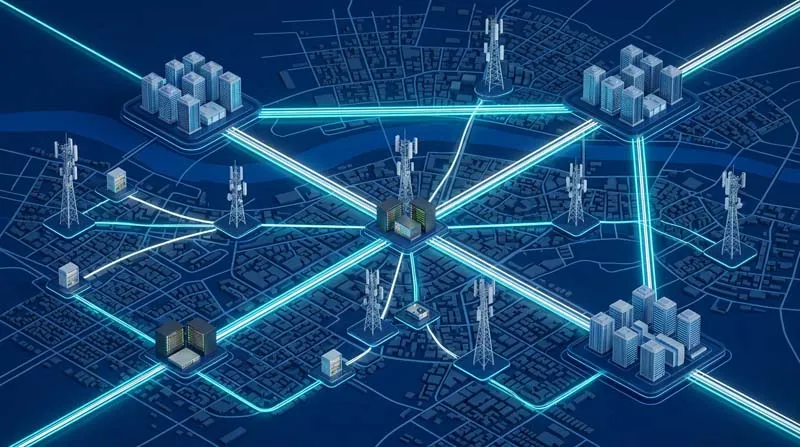
HTF is a professional supplier of fiber optic products and WDM system solutions. Its team has more than 10 years of experience in optical communication product development, fiber solutions, component development, and manufacturing. HTF helps customers build, connect, and optimize fiber infrastructure for global data centers, 5G networks, cloud computing, metro networks, and access networks.
HTF HT6000 is a compact, high-capacity, and cost-effective OTN optical transport system. It uses a universal CWDM/DWDM platform design and supports transparent multi-service transmission. In addition, it offers flexible networking and access capabilities.
The system fits national backbone networks, provincial backbone networks, metro backbone networks, and other core networks. It can meet large-capacity node demands above 1.6T. Therefore, HTF HT6000 gives IDC and ISP operators a practical path for building scalable WDM transport expansion solutions.
Conclusion
The high density dci box has become essential for modern data center interconnect. It improves bandwidth, lowers latency, saves rack space, and supports future network growth. More importantly, it helps organizations turn distributed computing resources into a unified digital foundation.
As AI, cloud, and 5G continue to expand, data center interconnect will become even more important. Companies that invest in efficient optical transport today will gain stronger scalability tomorrow.