
The Development Path of Optical Modules has shaped every major stage of digital communication. Over time, this path has become clear through improvements in size, speed, modulation, and integration density. As a result, each generation of optical modules has supported new transmission demands and strengthened the foundation of global connectivity.
- Early Foundations: GBIC and the Rise of SFP
GBIC: The First Modular Milestone
In the late 1990s, GBIC modules delivered 1 Gbps transmission for early Ethernet networks. They enabled flexible uplink configuration. However, their large size limited port density and motivated the development of smaller designs.
SFP: Compact, Efficient, and Widely Adopted
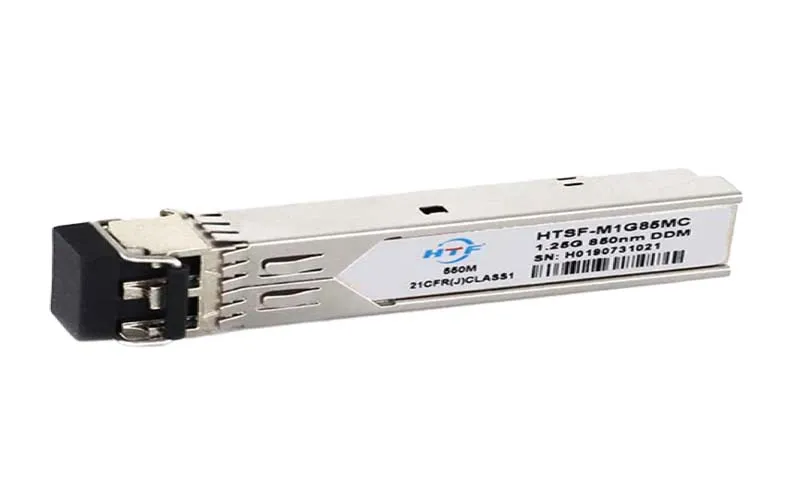
SFP reduced the footprint by nearly half. Therefore, it quickly became a new industry standard. It allowed higher port density and delivered strong performance across enterprise, access, and storage networks.
SFP+: A Key Step to 10G Networking
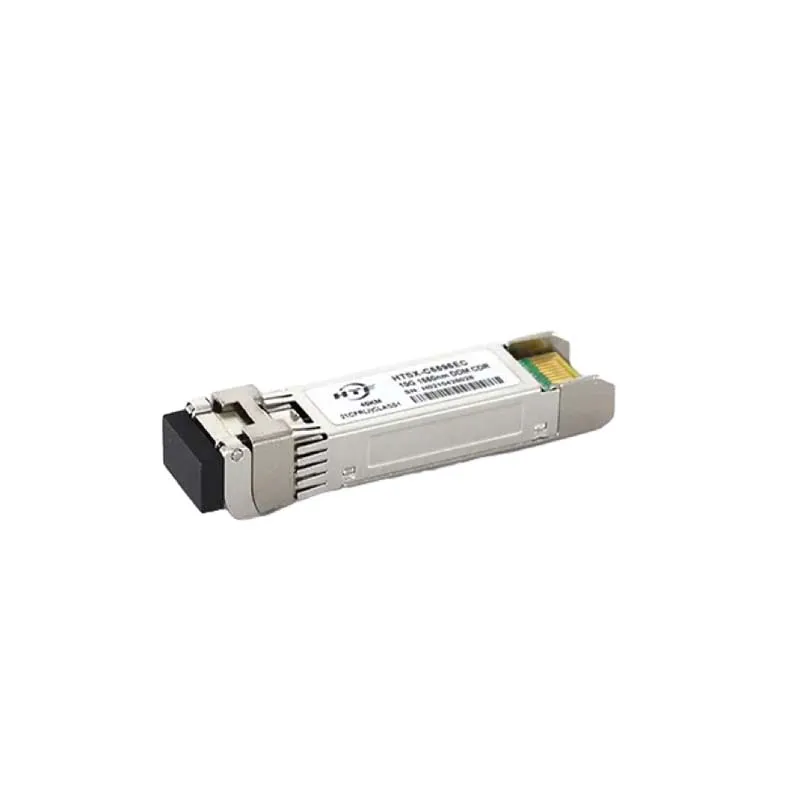
SFP+ kept the compact form factor while supporting 10 Gbps. Consequently, it became the mainstream choice for 10G Ethernet and Fibre Channel scenarios ranging from data-center servers to campus cores.
- Transition to Higher Speeds: XFP and the QSFP Family
XFP: Early 10G With Advanced Integration
XFP was larger than SFP+ and included built-in clock and data recovery. It supported long-haul optical transmission. Even so, it was eventually replaced because SFP+ offered better cost and density advantages.

QSFP / QSFP+: Parallel Channels for Higher Bandwidth
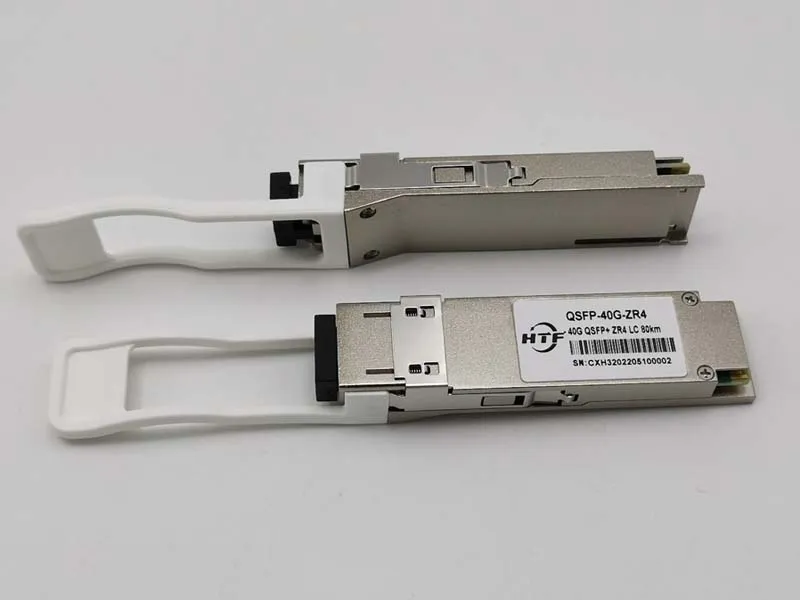
QSFP introduced four independent channels, and QSFP+ expanded them to 4×10G for 40G applications. As a result, they became essential solutions for the first generation of scalable data-center networks.
- Moving to 100G: CFP and QSFP28
CFP Series: Telecom-Grade Performance
The CFP family supported 40G, 100G, and eventually 400G. In addition, later versions reduced physical size to improve density. They played a central role in early coherent transport systems.
QSFP28: Compact 100G for Modern Data Centers
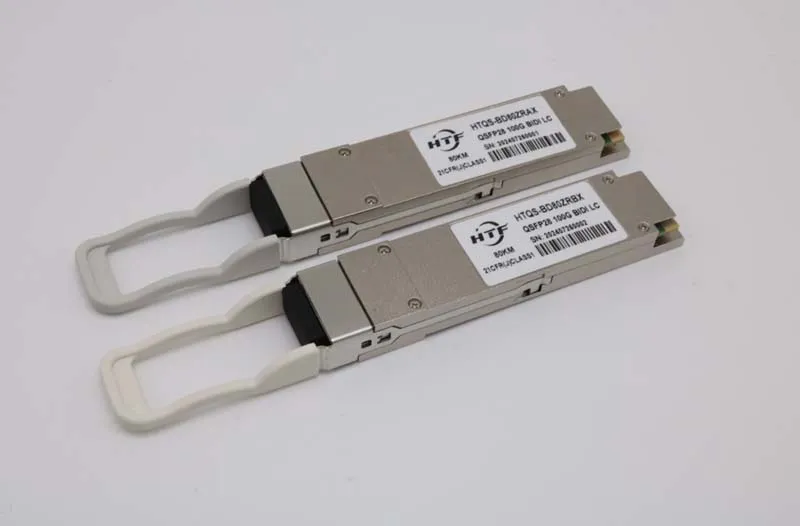
QSFP28 used four 25G lanes to achieve 100G. Therefore, it quickly became the dominant form factor for high-speed data-center networks due to its balance of power efficiency and density.
- Entering the 400G Era: QSFP-DD and OSFP
QSFP-DD: Double Density for 400G and Beyond
QSFP-DD introduced a second row of contacts to expand to eight lanes. As a result, it supports 400G while maintaining backward compatibility with earlier QSFP series. Furthermore, it offers a clear upgrade path for next-generation networks.
OSFP: Designed for 800G and High-Thermal Environments
OSFP provides better thermal performance than QSFP-DD. Therefore, it is ideal for AI clusters, 800G switching systems, and emerging hyper-scale data centers. Moreover, its thermal design helps maintain stability at extremely high speeds.
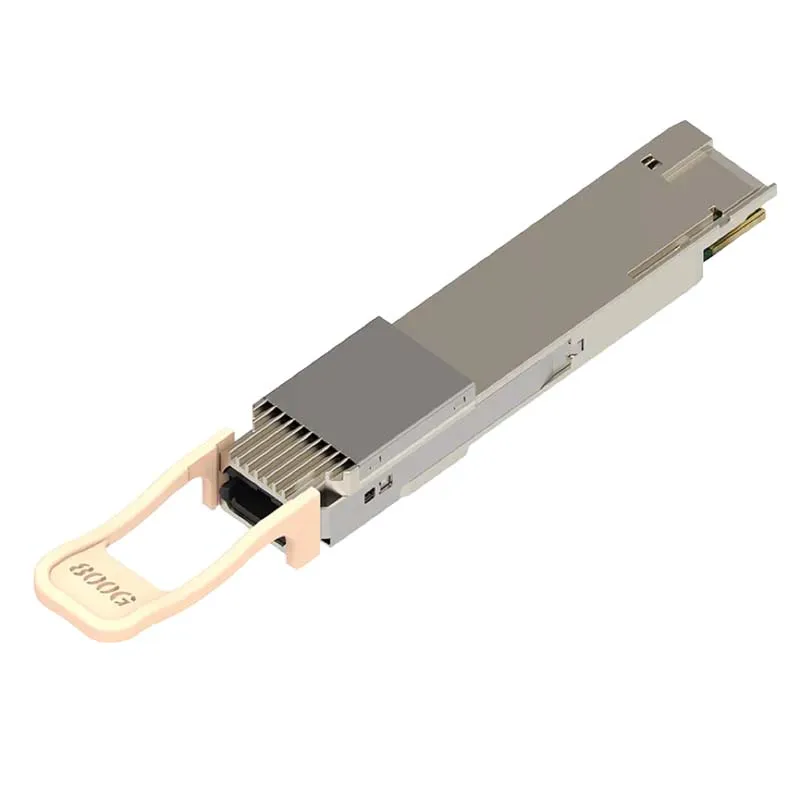
- Compact High-Speed Access: SFP-DD and Next-Generation 50G/100G Modules
Modules such as SFP-DD, SFP56/SFP112, and QSFP56/QSFP112 use PAM4 modulation. Because of this, they can double per-lane rates while keeping cost and power consumption at practical levels. They also help networks transition efficiently toward higher-speed architectures.
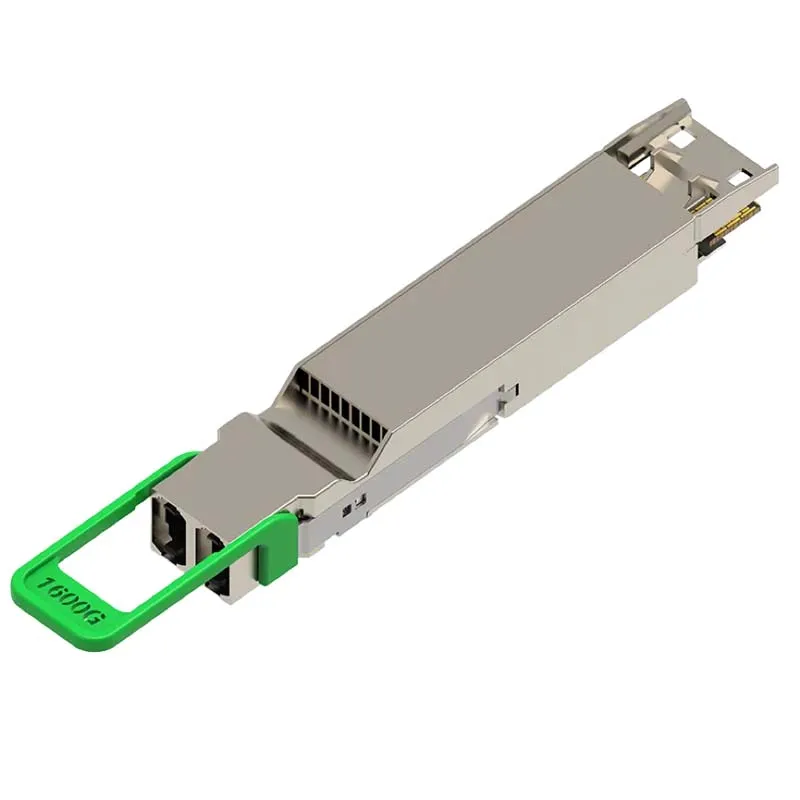
- Coherent Pluggables: A Breakthrough for Long-Haul and DCI
Pluggable coherent optics (like 400ZR) integrate complex DSP and coherent modulation into QSFP-DD or OSFP. Consequently, they simplify data-center-interconnect design and reduce operational costs. In addition, they support rapid deployment for metro and long-haul links.
Continuous Growth of High-Speed Optical Innovation
The Development Path of Optical Modules reflects the industry’s constant pursuit of higher speed, improved density, and smarter integration. As a result, optical modules have evolved from 1G to 800G, supporting cloud computing, AI workloads, and next-generation internet frameworks. Looking ahead, they will continue to serve as key enablers of global digital growth.
HTF provides design and manufacturing capabilities across multiple optical-module platforms. If needed, we can offer customized high-performance solutions based on your application requirements.