
Optical communication networks and DWDM technology shine as beacons for Indonesia’s digital future. Known as the “nation of a thousand islands,” Indonesia relies on these technologies to connect its scattered archipelago. They form the backbone of AI development. This article explores how optical communication and DWDM bridge Indonesia’s islands, empower AI, and drive a digital revolution.

The Foundation of Optical Communication Networks
Optical communication networks transmit data using light signals through fiber cables. They ensure fast, reliable data transfer. Key components include fiber cables, amplifiers, and multiplexers. These systems deliver low-loss, high-fidelity signals.
Since the 1970s, optical networks evolved from basic fibers to high-speed systems. Today, they support cloud computing, 5G, and AI. Moreover, they enable real-time AI data processing with low latency and high bandwidth. Without optical communication, AI systems would struggle to function efficiently.
Globally, optical networks drive digital economies. The ITU reports a 1.2% GDP boost for every 10% increase in fiber coverage. In Indonesia, optical communication and DWDM fuel economic growth and AI innovation. Looking ahead, quantum communication will further strengthen these networks.
DWDM Technology: Core Principles and Benefits
DWDM, or Dense Wavelength Division Multiplexing, boosts data capacity. It sends multiple light signals through a single fiber. Each signal uses a unique wavelength. Key components include multiplexers, amplifiers, and dispersion compensators. These ensure signal clarity over long distances.
Compared to traditional WDM, DWDM supports over 80 channels. Each channel delivers up to 100Gbps, achieving terabit-scale capacity. Consequently, it cuts costs and boosts flexibility. In submarine cables, DWDM excels in Indonesia’s marine environment. It supports long-distance, interference-resistant transmission.
Furthermore, DWDM integrates with AI. Smart DWDM systems use AI to optimize wavelength allocation and predict faults. This improves efficiency. For Indonesia, DWDM reduces costs by replacing multiple cables with one fiber. It also enables AI applications in education and healthcare.
Indonesia’s Geographic Challenges
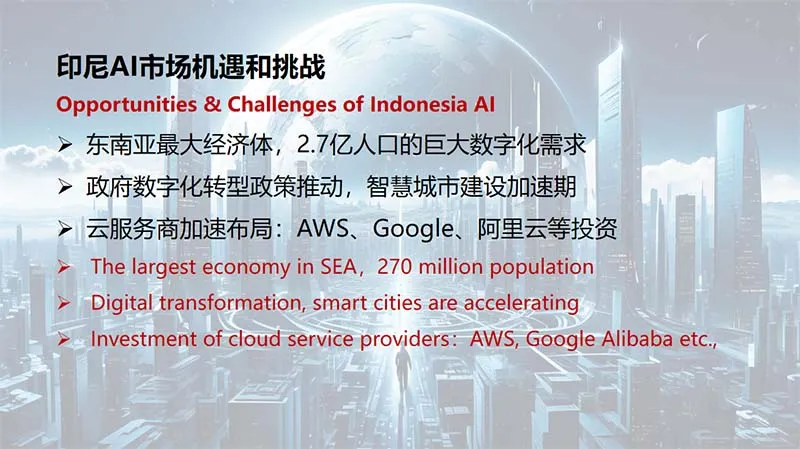
Indonesia, with over 17,000 islands, faces unique communication hurdles. Vast ocean areas fragment traditional networks. Satellite and wireless systems often lack bandwidth, suffer high latency, and cost more. As a result, digital gaps persist.
Urban areas like Java enjoy strong connectivity. However, remote islands like Papua have less than 50% coverage. This limits access to online education and telehealth. AI applications, needing fast data transfer, struggle with current infrastructure.
Submarine cables, powered by optical communication and DWDM, solve this. They offer stable, low-latency links. Indonesia’s Palapa Ring project aims to connect all islands with fiber. This bridges digital divides and boosts AI capabilities.
Optical Communication and DWDM in Action
In Indonesia, optical communication and DWDM are transforming connectivity. The Palapa Ring project, a massive submarine cable network, uses DWDM. It spans thousands of kilometers, covering 99% of the population. The network delivers terabit-level capacity.
For instance, DWDM connects Jakarta’s data centers to Bali. It supports AI-driven cloud services with low latency. Telecom giants like Telkom Indonesia use DWDM to scale from 10Gbps to 400Gbps. This powers smart city projects.
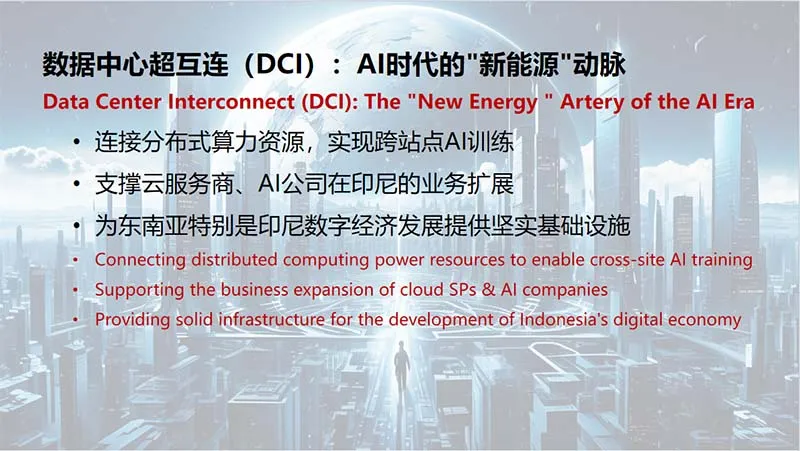
Additionally, optical networks link AI data centers. They enable distributed AI training and edge computing. ITU data shows Indonesia’s connectivity rose from 65% in 2019 to 85% in 2024. This drives economic growth and social equity through remote education and AI-powered healthcare.
Challenges and Solutions
Deploying optical communication and DWDM in Indonesia faces challenges. Submarine cables cross earthquake-prone zones. Natural disasters like tsunamis pose risks. DWDM equipment is sensitive and costly to maintain. Moreover, funding needs reach billions, requiring global partnerships. Cybersecurity threats and environmental concerns, like coral reef damage, also arise.
Solutions exist. AI-driven routing optimizes paths and predicts failures. Redundant designs ensure reliability. Public-private partnerships, like Belt and Road initiatives, provide funding. Encrypted optical transmission secures data. Eco-friendly cables minimize environmental harm. Thus, challenges become opportunities for innovation.
Future Outlook: AI-Powered Digital Transformation
Optical communication and DWDM will shape Indonesia’s 6G era. Ultra-dense DWDM will support petabit-scale data. AI-integrated networks will self-optimize. Indonesia can lead in marine data centers, attracting AI investments.
To succeed, Indonesia must invest in infrastructure and talent. Optical communication and DWDM will anchor its AI ambitions. By 2030, the digital economy could double. This transforms Indonesia into a digital powerhouse.
Optical communication and DWDM connect Indonesia’s islands. They empower AI and drive digital progress. Stakeholders must invest in infrastructure. Together, they can build a connected, AI-driven future. Indonesia will rise as a digital leader.
For reliable solutions, HTF stands out. A leader in fiber products and WDM systems, HTF offers big data transmission solutions. Its team, with over a decade of expertise, builds and optimizes fiber infrastructure. HTF supports global data centers, 5G, and cloud networks. Its HT6000 system, a compact, high-capacity OTN platform, uses CWDM/DWDM technology. It supports multi-service transmission and meets 1.6T+ node demands. Cost-effective and flexible, HT6000 serves backbone and metro networks, empowering IDC and ISP operators.