
The Surge of Optical Communications
Global data traffic is skyrocketing, driven by 5G, cloud computing, and IoT. Optical communication is now critical. Coarse Wavelength Division Multiplexing (CWDM) stands out with its low power, low cost, and flexibility. It excels in small and medium-scale networks. Moreover, CWDM meets budget-conscious demands, especially in power-sensitive settings.

CWDM’s Core Strengths: Low Power and High Value
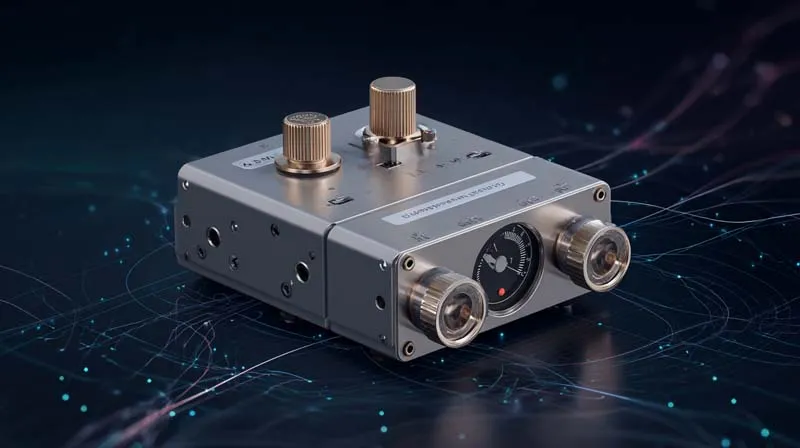
CWDM uses 20nm wavelength spacing (1270-1610nm) to multiplex light signals. It covers O, E, S, C, and L bands, often using eight channels (1470-1610nm). Its key advantages include:
- Low Power Consumption: CWDM’s uncooled lasers use just 0.5W, compared to DWDM’s 4W. Lightcounting reports CWDM modules consume 80% less energy than DWDM. This slashes operating costs (OPEX) and supports carbon neutrality goals.
- Cost-Effective and Easy to Maintain: No precise wavelength locking or cooling is needed. QYResearch (2023) notes CWDM equipment costs 30-50% less than DWDM. Maintenance is simple, ideal for rapid deployment.
- Flexible and Compatible: CWDM supports protocols like Ethernet, ATM, POS, and SDH. It works with G.652, G.653, and G.655 fibers. Existing legacy cables can be reused, cutting capital costs (CAPEX).
- Compared to DWDM: DWDM uses 0.2-1.6nm spacing for high channel counts (40-192). It suits backbone networks but is costly and complex. CWDM, however, fills the gap for smaller networks with affordability.
Thus, CWDM’s low power and cost make it a smart choice. It aligns with green initiatives and budget needs.
Market Demand for Small and Medium-Scale Networks: CWDM’s Sweet Spot
Small and medium-scale networks, like metro, access, enterprise, and campus networks, have unique needs. They require short distances (<80km), moderate bandwidth, and tight budgets. CWDM fits perfectly:
- Metro and Access Networks: Dell’Oro (2022) predicts the WDM market will hit $17 billion by 2026. CWDM’s low cost and compatibility drive its use in fiber-to-the-home (FTTH) and enterprise networks.
- 5G Fronthaul and Midhaul: 5G demands high bandwidth for fronthaul and midhaul. CWDM’s 8-18 channels support 10Gbps rates over 10km, saving fiber resources.
- Edge Computing and Data Centers: Edge nodes need cost-effective, fast-deployed networks. CWDM’s compact modules (e.g., SFP+) enable high-density connections for short-range data center interconnects.
Lightcounting (2024) reports the global CWDM module market reached $3.86 billion. Over 90% of revenue comes from 100G+ modules. For budget-sensitive networks, CWDM offers unmatched value. It enables rapid expansion with low power and maintenance costs.
CWDM in Action: Real-World Applications and Success Stories
CWDM shines in various scenarios, delivering flexibility and results:
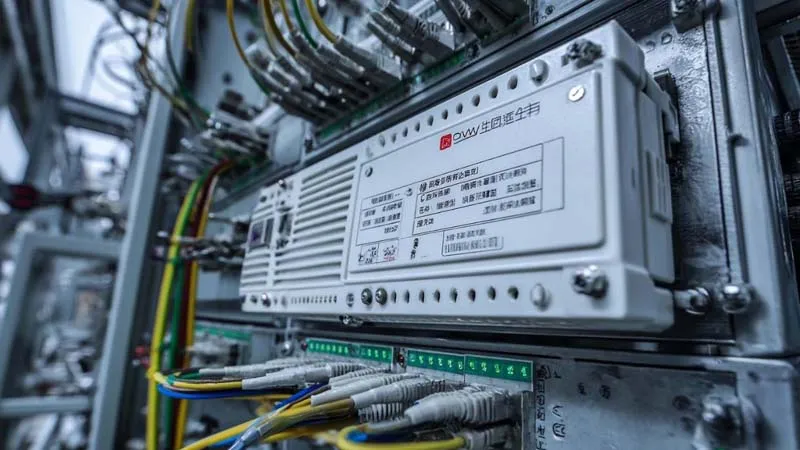
- Fiber-to-the-Home (FTTH): CWDM allows multiple users to share one fiber, cutting deployment costs. For instance, China Telecom uses CWDM modules for cost-effective broadband access.
- Data Center Short-Range Interconnects: CWDM supports 1-10km links at low cost. Cisco’s CWDM SFP+ modules enable high-density enterprise network connections worldwide.
- Enterprise and Campus Networks: CWDM works with legacy fibers (e.g., G.652). A Chinese university used Broadex Technologies’ CWDM solution to boost campus bandwidth to 10Gbps, reducing deployment time by 30%.
- China Mobile’s MWDM Innovation: China Mobile’s Medium WDM (MWDM) leverages CWDM’s ecosystem. It optimizes 5G fronthaul over 10km, cutting costs by 20% compared to DWDM.
These examples show CWDM’s “plug-and-play” simplicity. It empowers clients to upgrade networks swiftly and stay competitive.

Future Trends and Market Potential
CWDM’s evolution is fueled by technology and market shifts:
- Technological Advances: MWDM and LWDM enhance CWDM’s wavelength efficiency, meeting 5G and edge computing needs. Silicon photonics and InP integration will shrink modules and lower costs.
- Green Momentum: With carbon neutrality goals, CWDM’s low-power design gains traction. QYResearch predicts China’s CWDM market will near 40% of the global share by 2030.
- Market Growth: The global WDM market will exceed $18 billion by 2028 (Dell’Oro). China’s market will grow at a 9.59% CAGR (QYResearch). CWDM will capture more share in 5G, IoT, and edge computing.
Consequently, CWDM’s low power and flexibility position it for explosive growth. It’s a sustainable, high-value solution.
Act Now to Unlock CWDM’s Potential
CWDM’s low power, low cost, and flexibility make it unbeatable in small and medium-scale networks. From metro networks to 5G fronthaul and enterprise solutions, it delivers efficiency and savings. As data traffic surges and green goals intensify, CWDM’s future is bright.