
WSS is already revolutionizing how telecom operators build and manage their networks. Here are some key use cases:
Long-Haul and Metro Networks: In long-haul networks (connecting cities or countries), WSS optimizes wavelength routing to maximize fiber capacity, reducing the need for additional fiber cables. In metro networks (serving urban areas), WSS enables flexible bandwidth allocation for businesses, data centers, and residential users.
Data Center Interconnect (DCI): As cloud computing grows, data centers need to exchange massive amounts of data quickly and securely. WSS powers DCI networks by enabling dynamic wavelength routing between data centers, ensuring low-latency data transfer and efficient use of fiber resources.
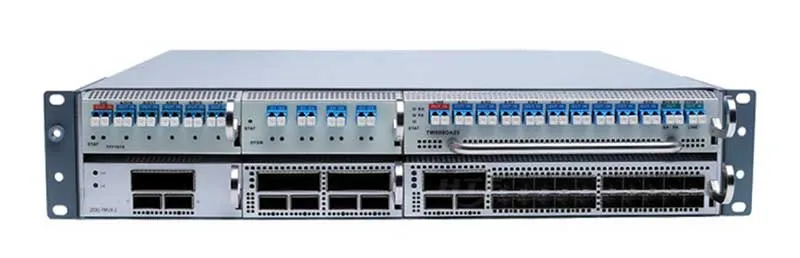
Mobile Backhaul/Fronthaul: For 5G networks, WSS is used in backhaul (connecting core networks to base stations) and fronthaul (connecting base stations to remote radio units) to manage the high volume of data generated by mobile devices. It ensures that voice, video, and IoT traffic are routed efficiently, with minimal latency.
The Future of Telecom Is Built on WSS
As data traffic continues to grow—expected to reach 175 zettabytes per year by 2025, according to IDC—telecom operators need technologies that can keep up. WSS is not just a solution for today’s challenges; it’s a foundation for the future. With advancements in WSS technology—such as higher port counts, faster switching speeds, and integration with software-defined networking (SDN) and network functions virtualization (NFV)—operators will be able to build even more agile, efficient, and scalable networks.
For telecom operators looking to stay ahead of the curve, investing in WSS is a strategic decision. It enables them to meet the demands of 5G and beyond, reduce costs, improve network resilience, and deliver the seamless connectivity that customers (both consumers and enterprises) expect.

Ready to Transform Your Optical Network?
WSS is more than a component—it’s the key to unlocking the full potential of your telecom infrastructure. Whether you’re looking to optimize bandwidth, enhance network resilience, or support 5G and future technologies, WSS delivers the flexibility, efficiency, and scalability you need.
The future of telecom is dynamic, adaptive, and connected—and it starts with WSS.