
DWDM technology transforms global connectivity. It drives high-capacity data transfer. Traditionally, DWDM technology powered backbone and metro networks. Now, Nokia Bell Labs’ compact coherent module brings it to access networks. This marks a game-changing milestone. This article explores DWDM technology’s principles, its breakthrough, market impact, and future potential.
Understanding DWDM Technology
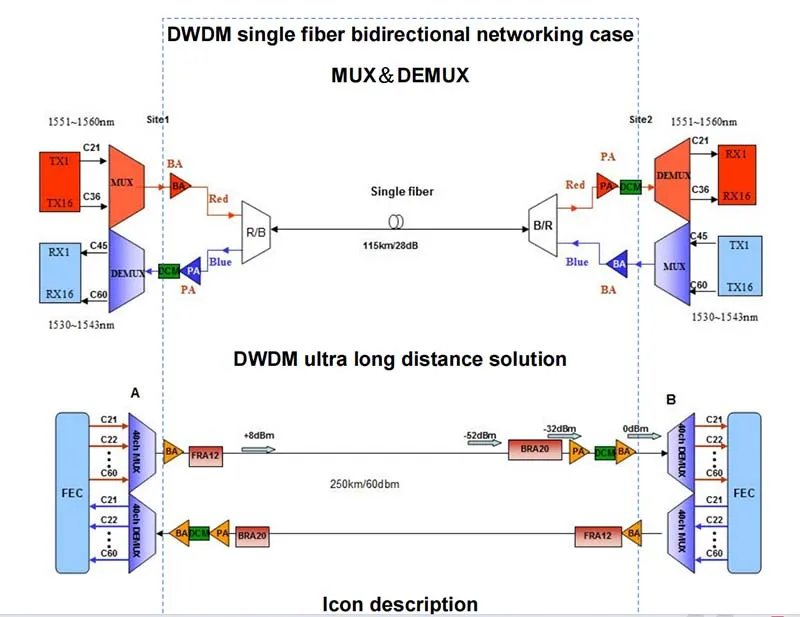
DWDM technology stands for Dense Wavelength Division Multiplexing. It sends multiple light wavelengths through a single fiber. This boosts data capacity dramatically. Each wavelength carries a separate data stream. Optical filters and amplifiers ensure clear signals. Unlike CWDM, DWDM technology uses tighter wavelength spacing (0.8nm or less). This allows up to 80 channels in the C-band (1530-1565nm). It delivers Tb/s-level capacity.
Historically, DWDM technology excelled in long-haul networks. For instance, submarine cables use it for cross-continental data transfer. Coherent detection and error correction ensure reliable signals over thousands of kilometers. However, access networks posed challenges. They demand compact, low-cost, and low-power solutions. Traditional DWDM technology was too bulky and expensive. This limited its use in user-end networks.
Nokia Bell Labs’ Breakthrough
Nokia Bell Labs’ compact coherent module changes everything. It shrinks DWDM technology to fit access networks. The module is palm-sized yet supports multi-wavelength transmission. It integrates seamlessly with existing fiber infrastructure. Key specs impress: it’s 75% smaller, uses 30% less power, and delivers 400Gbps per channel. Additionally, it supports flexible wavelength tuning.
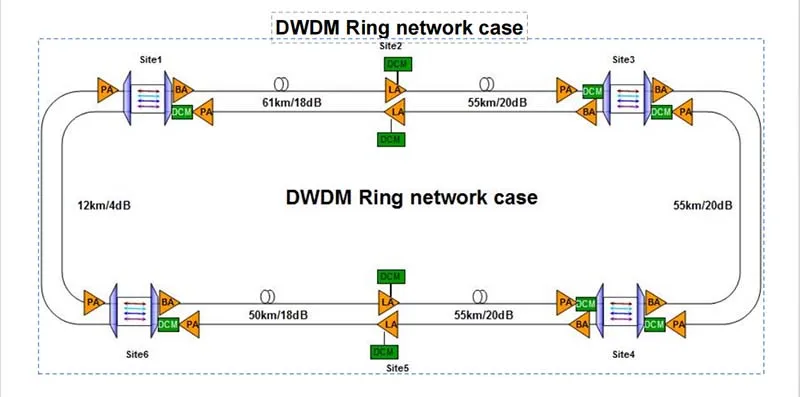
This innovation leverages coherent detection and advanced digital signal processing (DSP). Coherent detection aligns signal phases for accurate data recovery. DSP corrects distortions in real-time. Compared to traditional modules, it’s 50% smaller and 40% more energy-efficient. It extends transmission from hundreds of meters to tens of kilometers. Consequently, DWDM technology now serves the “last mile” effectively.
In practice, this module shines. For 5G backhaul, it aggregates multiple sites, supporting high-speed and low-latency needs. In FTTH, it enables ultra-HD video and VR for homes. No major infrastructure overhaul is needed. Thus, operators save on costs while boosting network performance.
Revolutionizing Access Networks
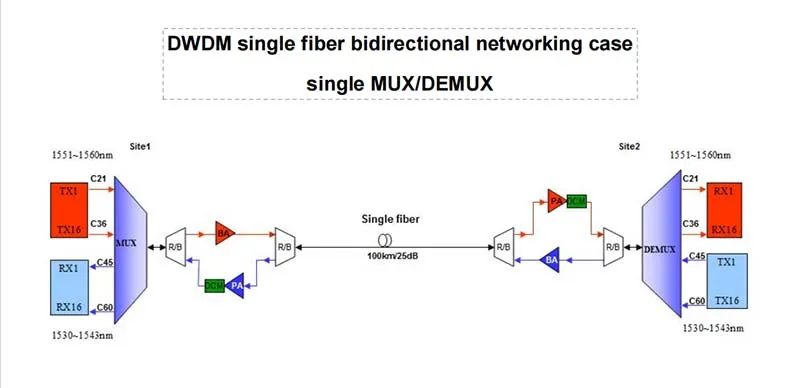
DWDM technology in access networks delivers massive upgrades. First, it skyrockets bandwidth. Single fibers now handle tens of Tb/s. This supports data-heavy applications like AI-driven healthcare or smart cities. Second, it extends transmission range and flexibility. Coherent modules ensure seamless core-to-edge connectivity. This reduces signal conversion steps. Finally, flatter network designs emerge. DWDM technology simplifies layered architectures into end-to-end optical systems.
Economically, it’s a win. Operators avoid costly fiber deployments. DWDM technology maximizes existing infrastructure, doubling capacity. ROI can exceed 200%. Maintenance becomes easier with smart monitoring. Software-defined networking (SDN) optimizes resources in real-time. Moreover, the ecosystem benefits. Equipment makers innovate smaller devices. Service providers offer tailored solutions. The entire supply chain thrives.
Market Dynamics and Competition
The global DWDM technology market is booming. Analysts predict a 25% annual growth rate through 2030. The market could reach $50 billion. 5G/6G and cloud computing drive this surge. Nokia Bell Labs leads with its module’s versatility. However, competitors like Huawei and Cisco are close. Huawei’s OptiX series emphasizes AI and energy efficiency. Nokia’s edge lies in multi-vendor compatibility, especially in Western markets.
Regional trends vary. In the US and EU, policies like the Digital Decade push DWDM technology adoption. Focus areas include sustainability and data sovereignty. In Asia-Pacific, population growth and infrastructure investments fuel demand. China and India’s 5G rollouts accelerate DWDM technology use. Industry standards, like ITU-T updates, will ensure global interoperability.
Challenges and Risks
Challenges persist. Compatibility is a hurdle. Many access networks use non-DWDM equipment. Upgrades require standardized interfaces. Additionally, aging fiber infrastructure needs modernization. This can be costly. External risks include chip shortages and economic volatility. These may delay deployments.
Solutions exist. Industry partnerships can drive standardization. R&D investments will cut costs. Gradual rollouts minimize risks. Over time, these challenges will spur further innovation. DWDM technology will mature in access networks.
Future Trends and Outlook
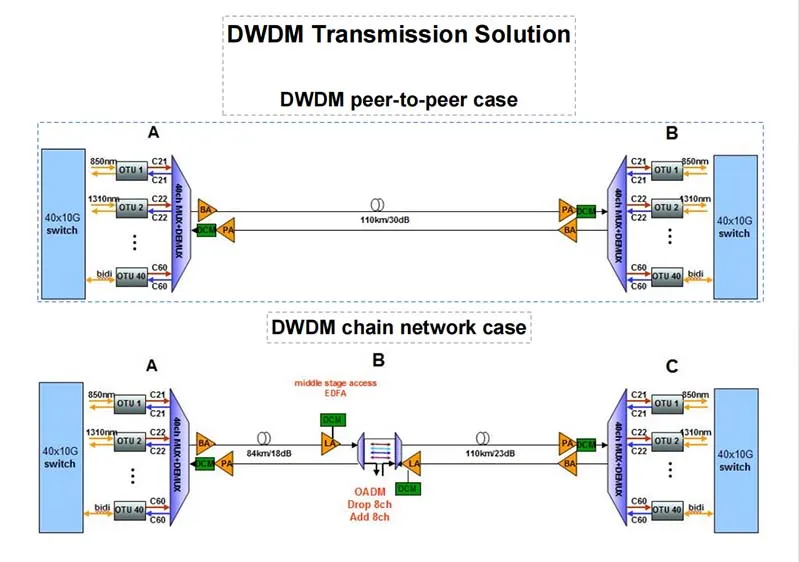
Looking ahead, DWDM technology will evolve. AI integration will automate network management. Quantum communication may enable ultra-dense wavelengths. Trends point to edge computing and IoT integration. Low-power modules will align with green initiatives. This will reshape global connectivity. It supports smarter, sustainable digital transformation.
In this landscape, companies like HTF shine. HTF offers fiber optic products and WDM solutions. Its team, with over a decade of expertise, builds reliable data transmission systems. HTF supports global data centers, 5G, cloud, metro, and access networks. Its HT6000 OTN system is compact, high-capacity, and cost-effective. It uses a CWDM/DWDM platform for flexible, multi-service transmission. Ideal for backbone and metro networks, it meets 1.6T+ capacity needs. It’s a top choice for IDC and ISP operators.
In conclusion, DWDM technology’s leap into access networks is historic. It paves the way for boundless connectivity. With ongoing innovation, it will power a vibrant, connected future.